Πέρα από το απόσπασμα: Τι πραγματικά μετράει στην προμήθεια εξαρτημάτων μούχλας ακριβείας
Στην προμήθεια, η τιμή είναι εύκολο να συγκριθεί, ο χρόνος παράδοσης είναι εύκολο να ζητηθεί, το μέγεθος του εργοστασίου είναι εύκολο να τεθεί σε ένα υπολογιστικό φύλλο, αλλά κανένας από αυτούς τους παράγοντες, από μόνο του, δεν μπορεί να είναι ο μόνος παράγοντας που μπορεί να επηρεάσει την ποιότητα των προϊόντων.Εξηγεί γιατί ένας προμηθευτής συστατικών μούχλας βοηθά ένα έργο να προχωρήσει ενώ ένας άλλος προσθέτει ήσυχα κίνδυνο σε κάθε στάδιο.
Ο κίνδυνος αυτός εμφανίζεται συνήθως αργότερα, όχι στο στάδιο της προσφοράς. Η τοποθέτηση του πάγκου διαρκεί περισσότερο από το αναμενόμενο. Οι δοκιμές μούχλας γίνονται ασταθείς. Τα ανταλλακτικά δεν ταιριάζουν τόσο καθαρά όσο θα έπρεπε.Η σταθερότητα από κοιλότητα σε κοιλότητα γίνεται πιο δύσκολη να διατηρηθεί.Η αρχική προσφορά μπορεί να φαινόταν ανταγωνιστική, αλλά το συνολικό κόστος του έργου αρχίζει να αυξάνεται λόγω των καθυστερήσεων, της επανεπεξεργασίας, του χρόνου προσαρμογής και της αβεβαιότητας της παραγωγής.
Αυτό ισχύει ιδιαίτερα για εργαλεία πολλαπλών κοιλότητας, καλούπια κλεισίματος και άλλες εφαρμογές στενής ανοχής, όπου η σταθερότητα των συστατικών στοιχείων έχει μεγαλύτερη σημασία από ένα μόνο "αποδεκτό" μέρος.Οι αγοραστές δεν αγοράζουν πραγματικά ένα μηχανοποιημένο εξαρτήμαΑγοράζουν επαναληψιμότητα.
Για το λόγο αυτό οι έμπειροι μηχανικοί και αγοραστές συνήθως προχωρούν πέρα από τις τρεις πρώτες ερωτήσεις.Πώς ελέγχονται τα κρίσιμα χαρακτηριστικάΣε ποια στάδια επαληθεύονται; Ποια αποδεικτικά στοιχεία μπορεί να προσφέρει ο προμηθευτής πριν από την υποβολή της παραγγελίας;
Τα ερωτήματα αυτά τείνουν να χωρίζουν τους προμηθευτές σε τρία επίπεδα:
- Πρώτον, υπάρχουν καταστήματα που μπορούν να κάνουν τη γεωμετρία μία φορά.
- Δεύτερον, υπάρχουν προμηθευτές που μπορούν να επαναλάβουν αυτό το αποτέλεσμα σε πολλά μέρη και παρτίδες.
- Τρίτον, υπάρχουν προμηθευτές που μπορούν να κάνουν και τα δύο και να υποστηρίξουν τη διαδικασία με αρχεία επιθεώρησης, ιχνηλασιμότητα και ξεκάθαρα σημεία ελέγχου.Η τρίτη ομάδα είναι συνήθως αυτή που δημιουργεί τη λιγότερη τριβή κατάντη..
Ένας λόγος για τον οποίο οι αγοραστές παγιδεύονται είναι ότι οι κατάλογοι εξοπλισμού μπορεί να είναι παραπλανητικοί.Αλλά οι μηχανές από μόνες τους δεν μειώνουν τον κίνδυνο.Αυτό που έχει σημασία είναι αν ο προμηθευτής έχει μια διαδικασία γύρω από αυτά τα μηχανήματα: ποιες διαστάσεις ορίζονται ως κρίσιμες για την ποιότητα, πώς αυτά τα χαρακτηριστικά ελέγχονται μεταξύ των εργασιών,και πώς η παραλλαγή εμποδίζεται να προχωρήσει.
Μια καλύτερη μέθοδος σύγκρισης είναι να ζητηθεί απόδειξη που να αντανακλά τη πειθαρχία της διαδικασίας.Μπορούν να δείξουν ένα δείγμα αναφοράς CMM για τα χαρακτηριστικά που σχετίζονται με τη θέση ή το προφίλΕάν το μέρος περιλαμβάνει κυλινδρικά χαρακτηριστικά ζεύξης, μπορούν να παρέχουν στοιχεία στρογγυλότητας, κυλινδρότητας ή συγκεντρότητας; Εάν η κατάσταση της επιφάνειας είναι σημαντική, καταγράφουν την τραχύτητα στις περιοχές σφράγισης ή ολισθησίας?Εάν συμβεί μια απόκλιση, υπάρχει σαφής τρόπος να εντοπιστεί η παρτίδα και η διορθωτική ενέργεια;
Οι εν λόγω ερωτήσεις δεν αποτελούν "επιπλέον" ερωτήματα.εάν οι ενσωματωμένες κοιλότητες δεν συμπεριφέρονται με συνέπειαΕιδικά σε έργα με πολλές κοιλότητες, οι μικρές διακυμάνσεις τείνουν να πολλαπλασιάζονται.Ένα ασήμαντο πρόβλημα σε ένα μέρος μπορεί να γίνει ένα μεγαλύτερο πρόβλημα όταν επαναληφθεί σε ολόκληρο το 16, 24, ή 32 κοιλότητες.
Ο ικανός προμηθευτής θα πρέπει να είναι σε θέση να εξηγήσει όχι μόνο πώς θα επεξεργαστεί το εξαρτήμα, αλλά και πώς θα χρησιμοποιηθεί το εξαρτήμα.αλλά και πώς η σταθερότητα θα προστατευθεί μέσω της στροφήςΟ στόχος δεν είναι απλά να φτάσει το ονομαστικό μέγεθος.και να υποστηρίξει την προβλέψιμη συναρμολόγηση και παραγωγή καλούπιων.
Για τους αγοραστές, μια πρακτική ανασκόπηση του προμηθευτή μπορεί συχνά να βασίζεται σε πέντε τύπους αποδεικτικών στοιχείων:
- Πρώτα, ένα άρθρο αναφέρει τι μετρήθηκε και πώς.
- Δεύτερον, δεδομένα CMM για γεωμετρία που δεν μπορούν να ελεγχθούν αξιόπιστα μόνο με βασικά εργαλεία.
- Τρίτον, δεδομένα στρογγυλότητας ή κυλινδρικότητας για καρφιά, πυρήνες και άλλα κυλινδρικά χαρακτηριστικά.
- Τέταρτον, επαλήθευση της επιφάνειας για τις περιοχές σφράγισης ή οδοντωτικής λειτουργίας.
- Τέταρτον, η ιχνηλασιμότητα των παρτίδων που συνδέει το υλικό, τα βήματα της διαδικασίας, την επιθεώρηση και κάθε χειρισμό μη συμμόρφωσης.
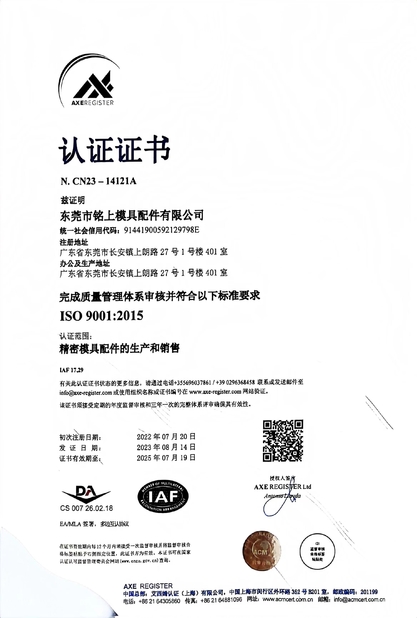
Αυτό είναι επίσης ο λόγος για τον οποίο ορισμένοι αγοραστές προτιμούν όλο και περισσότερο προμηθευτές που τοποθετούνται γύρω από την ικανότητα της διαδικασίας και όχι μόνο τη διαθεσιμότητα μηχανών.Η SENLAN παρουσιάζει τις δυνατότητές της γύρω από τα εξαρτήματα εκτύπωσης ακριβείας και τα εξατομικευμένα εργαλεία για εφαρμογές πολλαπλής κοιλότητας, με δημοσιευμένους ισχυρισμούς, συμπεριλαμβανομένης της ανοχής επεξεργασίας έως ± 0,005 mm, lathes Hardinge CNC, φρέσκας Röders, διαδικασίες Makino και Sodick EDM, επιθεώρηση ZEISS CMM, μέτρηση στρογγυλοτητας και ISO 9001:Ελέγχος ποιότητας 2015 με 100% επιθεώρηση πριν από την παράδοσηΑνεξάρτητα από το αν ένας αγοραστής αξιολογεί την SENLAN ή οποιονδήποτε άλλο προμηθευτή, αυτή είναι η μορφή μετρήσιμης υποστήριξης που αξίζει να ζητηθεί.
Τελικά, ο ισχυρότερος προμηθευτής είναι σπάνια αυτός με το πιο εντυπωσιακό φυλλάδιο.Και μπορεί να αποδείξει τι έγινε με αρχεία που η μηχανική και οι αγορές μπορούν να εμπιστευτούν.
Για τους αγοραστές που συγκρίνουν προμηθευτές για εξαρτήματα εκτυπωτικών εκτυπώσεων ακριβείας, αυτή μπορεί να είναι η πιο χρήσιμη αλλαγή στη νοοτροπία: μην συγκρίνετε μόνο αυτό που ο προμηθευτής λέει ότι μπορούν να κατασκευάσουν.τι μπορούν να επαληθεύσουν, και τι είναι έτοιμοι να σας δείξουν πριν ξεκινήσει η δουλειά.


 Το μήνυμά σας πρέπει να αποτελείται από 20-3.000 χαρακτήρες!
 Greek
Greek